Cooking with Himalayan Salt: A Chef's Guide
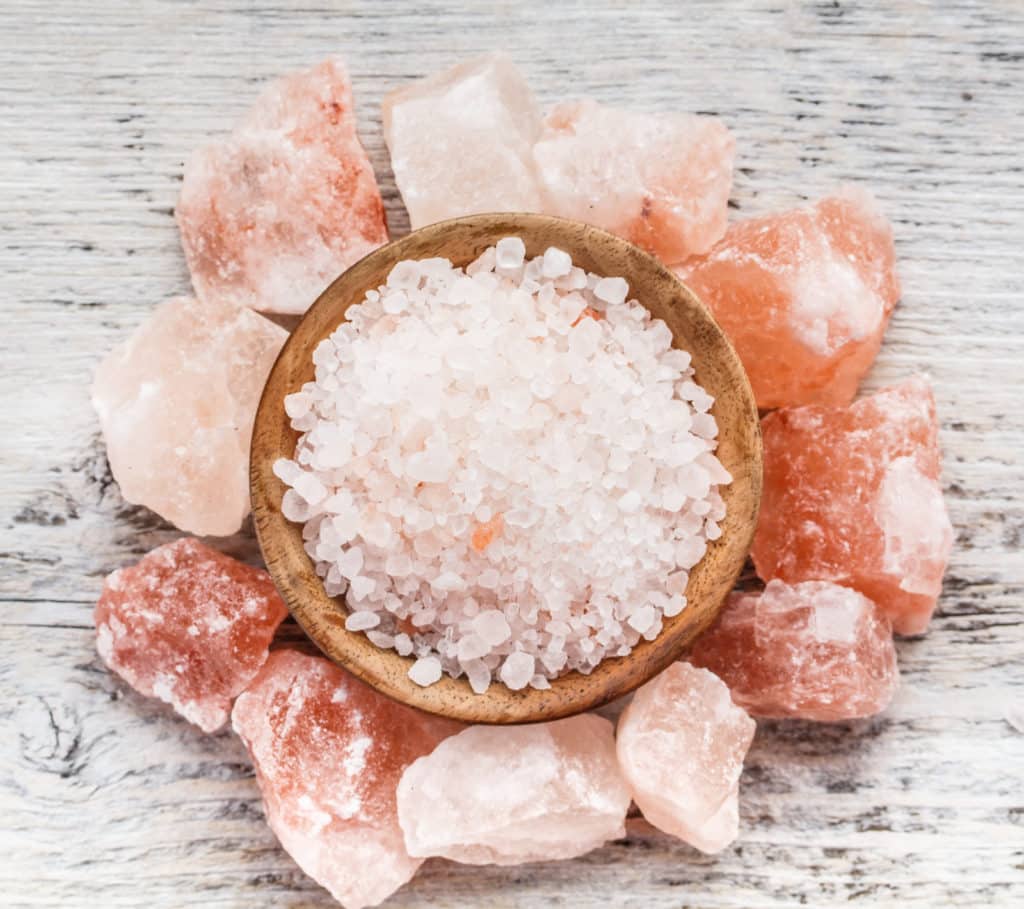
Learn professional techniques for using Himalayan salt to elevate your culinary creations.
Cooking with Himalayan Salt: A Chef’s Guide
Himalayan salt has moved from spa rooms to restaurant pass tables, becoming a staple for chefs who want gentle salinity, precise seasoning control, and striking presentation. When you understand how to use it in different forms—fine, coarse, flaked, and solid blocks—you unlock a new layer of flavor and texture in your cooking.
What Makes Himalayan Salt Unique?
Himalayan salt is a rock salt mined primarily from the Khewra Salt Mine in Pakistan and is composed mostly of sodium chloride. A small portion is made up of trace minerals such as calcium, magnesium, potassium, and iron, which give it a subtle mineral character and its signature pink color.
Nutritionally, those extra minerals appear only in very small amounts per serving, so Himalayan salt should still be treated mainly as a seasoning, not a health supplement. Where it truly shines is in the kitchen: a slightly softer perceived saltiness than many refined table salts, attractive color on the plate, and versatility in both granular and block form.
Forms of Himalayan Salt and When to Use Them
Fine Grain
Fine‑grain Himalayan salt behaves much like standard table salt but with a gentler flavor curve. It dissolves quickly, making it ideal for:
- Everyday stove seasoning (soups, stews, sauces)
- Brines and marinades where you need consistent salt distribution
- Baking applications where undissolved crystals would be undesirable
Because it tastes slightly less aggressive than some refined salts, it’s better to adjust by tasting rather than swapping it 1:1 by volume with your usual salt.
Coarse Grain
Coarse crystals deliver a focused “pop” of salinity and a satisfying crunch when they hit your palate. They work especially well as a finishing touch on:
- Grilled steaks, burgers, and chops
- Roasted vegetables and hearty salads
- Rustic breads with olive oil or compound butter
A good chef move is to season lightly during cooking with fine salt, then finish with a modest sprinkle of coarse crystals at the pass to build layered flavor.
Flakes
Flaked Himalayan salt dissolves faster than large coarse crystals but still adds light texture on the surface of food. It’s particularly effective on:
- Delicate proteins like fish, shellfish, and eggs
- Soft cheeses, fresh tomatoes, and avocado
- Buttered vegetables where you want quick dissolve and gentle crunch
Use flakes when you want a refined finish: a faint crackle followed by clean, balanced salinity.
Blocks and Slabs
Himalayan salt blocks turn salt into both a cooking surface and a serving platform. These solid slabs can be heated or chilled, allowing you to:
- Sear scallops, shrimp, thin steaks, or vegetables directly on the block
- Serve cold dishes—like sushi, carpaccio, or fruit—on a chilled slab
- Present chocolates, caramels, and desserts with subtle salinity and dramatic visual impact
How to Cook on a Himalayan Salt Block
Heating the Block Safely
A salt block can handle high temperatures, but it’s sensitive to sudden temperature changes. To avoid cracking, always heat gradually:
-
Start from room temperature
Place the dry block on a cold gas burner, grill, or over a heat diffuser on electric stoves. -
Increase heat in stages
- Low heat for about 15 minutes
- Medium heat for about 15 minutes
- High heat for 15–20 minutes, or until the surface is around typical searing temperatures
-
Check readiness
Sprinkle a few drops of water on the block: they should sizzle aggressively and evaporate almost instantly when it’s ready to cook.
This staged “tempering” protects the block and helps it last longer over repeated uses.
Best Foods for a Hot Salt Block
Because the block seasons from beneath, it’s most effective for foods that cook quickly and benefit from a gently salted crust.
Great options include:
- Seafood: scallops, shrimp, salmon, tuna steaks
- Meats: thin‑cut steaks, lamb chops, chicken cutlets, burgers
- Vegetables: asparagus, mushrooms, zucchini, onions, bell peppers
Lightly oil the food, not the block, to prevent sticking and protect the salt surface. Avoid very fatty cuts or heavy, sugary marinades that can burn and damage the block more quickly.
Chilled Applications
The same block that sears a steak can be chilled for elegant cold presentations. Place the block in the refrigerator for a few hours, then use it to serve:
- Sushi, sashimi, or crudo
- Thin‑sliced beef carpaccio or cured salmon
- Fresh fruit like melon, citrus, or berries
- Truffles, caramels, and other confections
As these foods rest on the surface, they pick up a whisper of salt and a touch of minerality—enough to enhance flavor without overpowering it.
Caring for Your Himalayan Salt Block
Cleaning
Proper care dramatically extends the life of a salt block.
- Let the block cool completely to room temperature before cleaning.
- Do not submerge it in water and never use soap.
- Use a metal spatula or scraper to remove stuck‑on bits, then wipe the surface with a slightly damp cloth or sponge.
- Dry thoroughly and store in a low‑humidity environment.
Salt is naturally hostile to many microbes, so minimal cleaning is enough as long as you remove residue and keep the block dry.
Handling and Storage
- Avoid exposing a hot block to cold air, cold countertops, or liquids; thermal shock is a common cause of cracks.
- Use a sturdy rack, tray, or wooden board as a base when transporting or serving.
- Expect gradual wear over time: each cooking session dissolves a thin layer of salt into your food.
Seasoning Food with Himalayan Salt like a Chef
In a professional kitchen, Himalayan salt is often used in layers: fine or medium grains during cooking, and coarser crystals at the finish.
During Cooking
Use fine grain for:
- Building base seasoning in soups, sauces, and braises
- Dissolving into vinaigrettes, brines, and marinades
- Baking doughs and batters that require even salinity
Season gradually and taste frequently; Himalayan salt’s softer intensity gives you a slightly wider margin before food becomes overly salty.
At the Pass (Finishing)
Coarse and flaked salts shine at the finish:
- Sprinkle on grilled meats and roasted vegetables after resting to add texture and a final burst of flavor.
- Add a pinch to fresh salads, sliced tomatoes, burrata, or avocado toast for instant lift and visual contrast.
- Use sparingly on eggs, especially soft‑boiled or poached, to highlight richness without overwhelming them.
By separating base seasoning (fine) and finishing touches (coarse or flaked), you keep flavors balanced and textures interesting.
Himalayan Salt in Desserts
One of the most eye‑catching ways to use Himalayan salt is in desserts. A small amount of coarse or flaked salt heightens sweetness, adds crunch, and creates a beautiful pink accent on:
- Salted caramels and toffees
- Dark chocolate bars, brownies, or truffles
- Vanilla ice cream, custards, and panna cotta
Always add finishing salt right before serving so the crystals remain intact and visible, delivering that satisfying sweet‑salty contrast.
Health and Safety: What You Should Know
Himalayan salt is often marketed as “healthier” than regular salt because of its trace minerals, but in terms of sodium intake, it behaves like any other salt. You should still use it in moderation, especially if you’re watching your blood pressure or following medical advice on sodium.
The extra minerals contribute mainly to flavor and color rather than dramatically changing the nutritional profile. For most cooks and restaurants, the smartest approach is simple: use Himalayan salt for flavor, texture, and presentation, while following the same common‑sense sodium guidelines you would with any other salt.
Quick Reference: Choosing the Right Himalayan Salt
| Use Case | Recommended Form | Why It Works Well | |---------------------------------|------------------------|---------------------------------------------------------------------| | Everyday seasoning at the stove | Fine grain | Dissolves quickly and gives consistent seasoning in liquids/sauces. | | Brining and marinades | Fine or medium grain | Integrates evenly; avoids sharp undissolved crystals. | | Finishing meats and vegetables | Coarse or flaked salt | Adds crunch, visual appeal, and a focused pop of flavor. | | Searing scallops or steaks | Heated salt block | Provides high, even heat and subtle salinity from below. | | Grilling vegetables | Block or coarse salt | Enhances natural sweetness and char while lightly seasoning. | | Cold platters (sushi, fruit) | Chilled salt block | Delicate curing effect and striking presentation. | | Desserts (caramel, chocolate) | Coarse or flaked salt | Creates sweet‑salty contrast and a beautiful pink accent. |
When you treat Himalayan salt as both a seasoning tool and a plating element, it becomes more than just another ingredient—it becomes part of your kitchen’s signature style.
Medical Disclaimer:The information on this blog is for educational purposes only and is not intended as medical advice, diagnosis, or treatment. Always seek the advice of your physician or other qualified health provider with any questions you may have regarding a medical condition. Dependence on any information provided on this website is solely at your own risk.