The Art of Himalayan Salt Mining
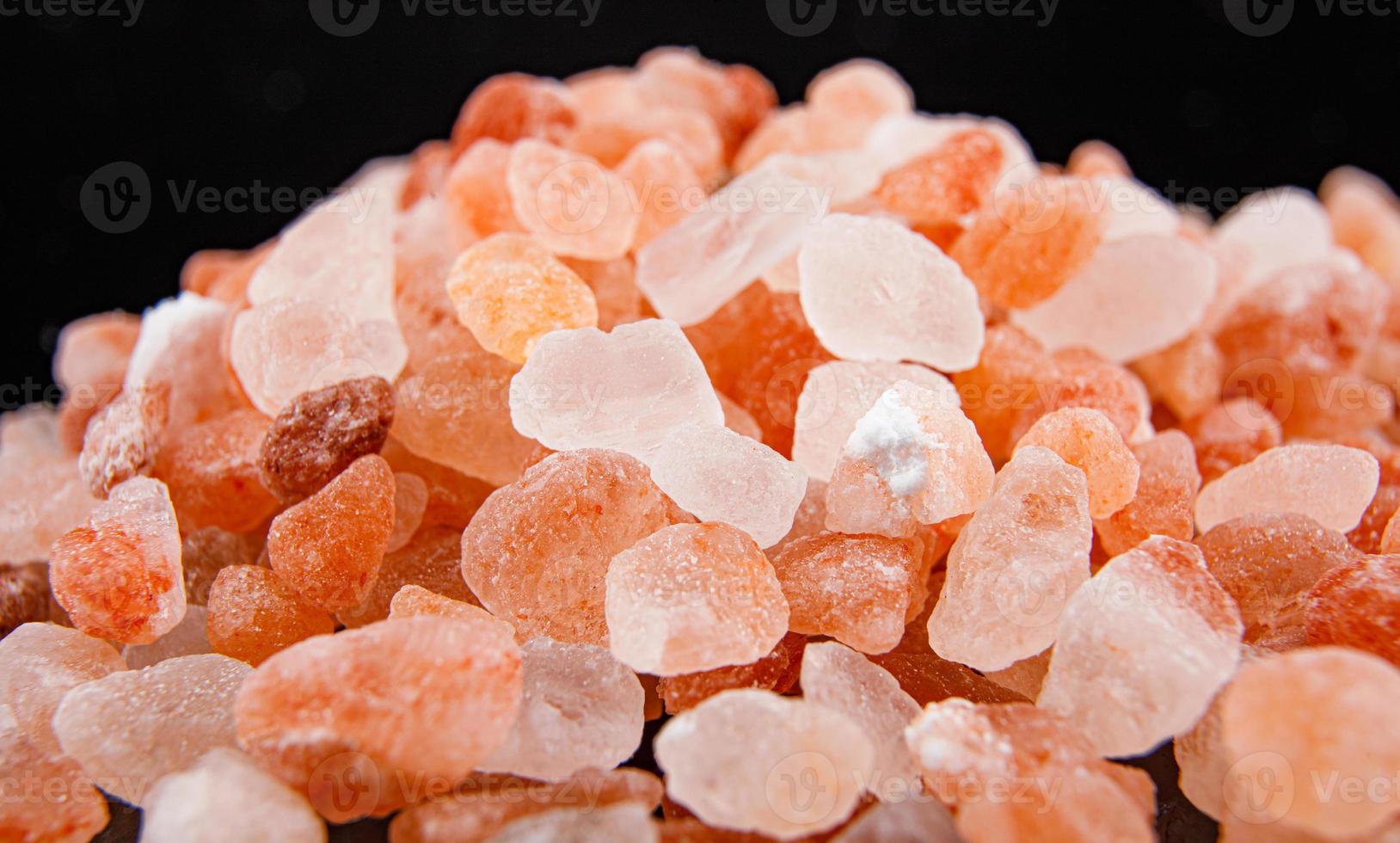
A deep dive into the Khewra Salt Mines and the traditional methods used to harvest 'Pink Gold'.
The Legacy of the Khewra Salt Mine: Harvesting Pink Gold
Deep beneath the salt range of the Himalayan foothills in Pakistan lies a subterranean world of pink crystals. The Khewra Salt Mine, the second largest in the world, is not just a mineral deposit; it is a living museum of geological history dating back to the campaign of Alexander the Great in 326 BC.
The Discovery: A Legend of Horses
Legend has it that the salt wasn't discovered by miners, but by Alexander’s horses. While the army rested, the horses began licking the stones. Noticing the animals' renewed vigor, the soldiers realized the "rocks" were actually high-quality mineral salt. Today, that same salt is exported globally as Himalayan Pink Salt.
Sustainable Extraction: The Room and Pillar Method
Unlike modern industrial mining that often uses heavy explosives and destroys the landscape, Himalayan salt is harvested using the traditional Room and Pillar technique.
- How it works: Only 50% of the salt in any given area is extracted.
- Structural Integrity: The remaining 50% is left as massive, solid pillars that support the weight of the mountain above.
- Eco-Friendly: This method ensures the mine remains stable for centuries without the need for external steel supports or environmentally damaging materials.
From Deep Earth to Your Table
Every block of salt is hand-mined by skilled artisans. This labor-intensive process is crucial because it preserves the crystalline structure of the salt.
- Extraction: Large blocks are carefully chiseled out of the mine walls.
- Sorting: The salt is sorted by color—darker pinks are richer in iron, while lighter crystals are preferred for fine table salt.
- Cleaning: The salt is washed in pure spring water to remove dust.
- Crushing: It is crushed into various sizes, from "coarse" for grinders to "fine" for everyday cooking.
Why Hand-Mining Matters
By avoiding heavy machinery and chemical refining, the salt retains all 84 trace minerals, including magnesium, potassium, and calcium. When salt is chemically refined into standard table salt, these minerals are stripped away, leaving only sodium chloride.
Summary of Mining Ethics
Our commitment to the Art of Mining involves:
- No Explosives: Protecting the natural mineral composition.
- Fair Wages: Supporting the local communities in the Punjab region.
- Zero Waste: Small fragments are repurposed into gourmet fine salt or salt lamps.
Choosing Himalayan salt means supporting a tradition that respects the earth as much as the product.
Medical Disclaimer:The information on this blog is for educational purposes only and is not intended as medical advice, diagnosis, or treatment. Always seek the advice of your physician or other qualified health provider with any questions you may have regarding a medical condition. Dependence on any information provided on this website is solely at your own risk.